Garden Productivity Guide for 2026
2 mins read
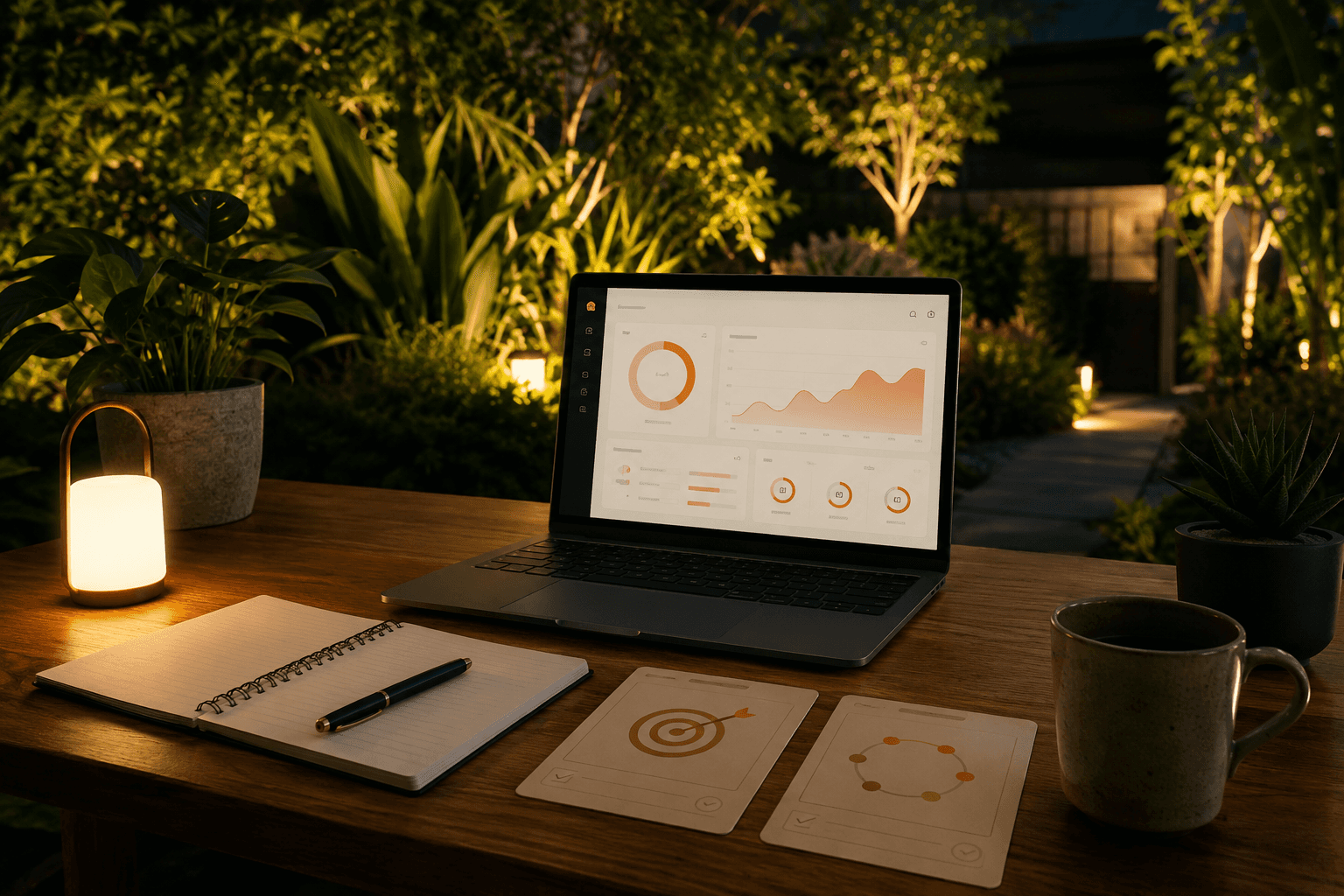
Garden productivity is not only about growing plants faster or organizing outdoor chores. It is about building a calm relationship between your environment, your routines, and the kind of life you want to maintain.
In 2026, productivity is moving away from noisy task storage and toward calmer execution systems. People do not need more lists. They need a dashboard, app, or routine that helps them understand what matters, choose the next step, and return without shame when life becomes busy.
What garden productivity really means
Garden productivity is best understood as part of a larger productivity system. It is not only a tool, aesthetic choice, or feature category. It is a way of shaping attention so the user can see goals, reduce mental overload, and act with more confidence.
The problem with many modern productivity tools is that they look organized but still create cognitive pressure. A user opens the app and sees too many projects, too many tags, too many widgets, and too many unfinished items. The system may be technically powerful, but emotionally it feels heavy.
A better approach is to design around human behavior. People need clarity before complexity, momentum before perfection, and recovery before guilt. That is why a modern productivity system should connect goals, habits, focus blocks, and reflection inside one calm structure.
Why people search for this topic
Most users searching for garden productivity are not only looking for information. They are usually trying to solve a real friction point. They may feel scattered, inconsistent, visually overwhelmed, bored by standard task lists, or unsure which productivity system will actually fit their life.
This search intent matters. A useful answer should not only define the topic. It should help the reader understand why normal systems fail and how to create a more sustainable structure.
The psychology behind the problem
Productivity is not just time management. It is attention management, emotional regulation, and decision design. When a system creates too many decisions, the brain starts to resist it. When goals are hidden, motivation becomes harder to access. When tasks feel disconnected from identity, completion feels shallow.
This is why the best productivity systems reduce cognitive load. They make the next action visible. They reduce the number of choices at the moment of execution. They help users reconnect with their mission when attention drifts.
A realistic example
Imagine opening your dashboard on a quiet morning and seeing one visible mission: build a healthier garden routine. Under it are practical steps such as water the herbs, clear one planter, check sunlight, and spend ten minutes outside without rushing. The system turns a vague lifestyle wish into a visible rhythm.
This is the difference between collecting tasks and building a system. A task list stores work. A productivity system creates movement.
What most people get wrong
Many people try to solve productivity problems by adding more structure. They install another app, create another template, add another board, or track another metric. Sometimes that helps temporarily. But if the system becomes harder to maintain than the work itself, users eventually avoid it.
The goal should not be to build the most impressive dashboard. The goal should be to build the dashboard you can return to on an ordinary day.
How to build a better system
Use one garden mission per season
Track repeated care actions, not every small detail
Connect outdoor tasks to health, calm, and home goals
Review what actually improved the space each week
These principles apply whether someone uses a simple planner, a productivity dashboard, a focus app, or a mission-based system like Telora.
How Telora connects this to a larger productivity system
Telora is built around visible missions, practical steps, focus, habits, and reflection. Instead of treating productivity as a long list of disconnected tasks, Telora connects daily action to a larger direction.
This matters because meaningful productivity requires more than completion. It requires context. When users understand why a task exists, it becomes easier to start, easier to prioritize, and easier to return after interruption.
For the full framework, read the main pillar page:
https://articles.teloralife.com/productivity-system
Final thoughts
Garden productivity works best when it supports clarity instead of adding pressure. The right system should feel calm, useful, and easy to return to. It should help users act today while staying connected to the person they are becoming.
In 2026, the strongest productivity systems will not simply help people do more. They will help people think more clearly, focus more intentionally, and build progress that feels emotionally sustainable.
FAQ
What is garden productivity?
Garden productivity is a productivity concept focused on making planning, focus, and execution easier through clearer systems, better visibility, and lower mental friction.
Is garden productivity useful for productivity?
Yes, when it helps users reduce overwhelm and take meaningful action. It becomes less useful when it adds decoration, complexity, or pressure without improving execution.
How does this connect to Telora?
Telora connects this idea to missions, steps, habits, and reflection so productivity becomes a repeatable system rather than a temporary mood.